
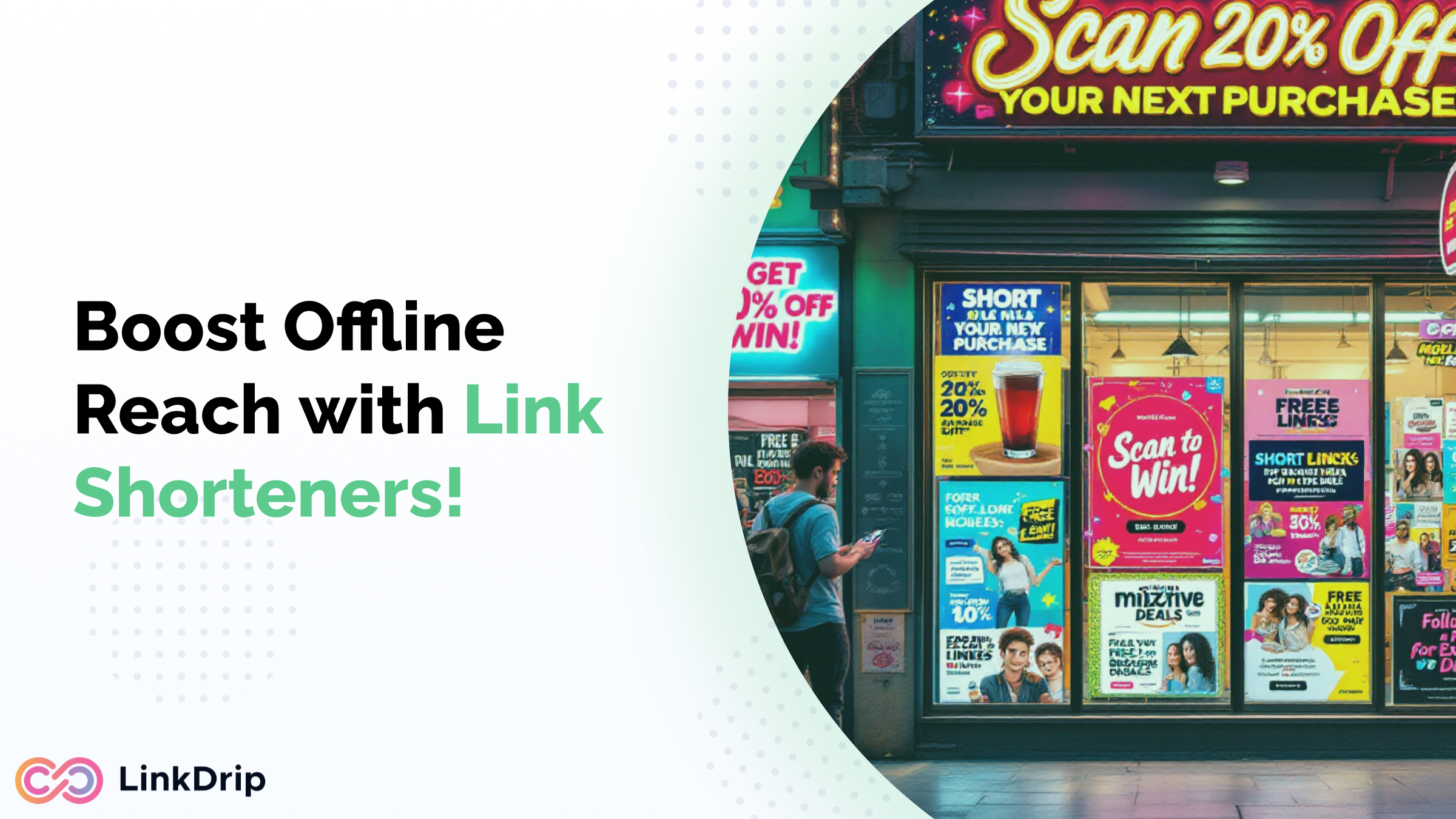
Bridging the Gap: Utilizing Link Shorteners in Offline Marketing Campaigns

By Frank Vargas
In today's interconnected world, blending offline and online marketing is essential. Though digital channels dominate, traditional offline methods such as print ads and billboards still offer tremendous value. By integrating smart tools like link shorteners and QR codes into these channels, businesses can create engaging, measurable campaigns that drive traffic and deliver valuable insights.
The Importance of Offline Marketing in a Digital World
Offline marketing remains a vital component of a comprehensive marketing strategy. Traditional methods like brochures, billboards, and event materials continue to capture consumer attention and offer a tactile experience that builds brand trust. When executed well, offline marketing can evoke emotions, foster personal connections, and provide an opportunity for consumers to interact with a brand in a memorable way.
Integrating offline strategies into your overall marketing approach complements digital efforts by:
- Extending reach to audiences who may not be online often.
- Establishing a physical presence and reinforcing brand identity.
- Offering tangible experiences that lead to higher brand recall.
By complementing these strategies with digital tools like link shorteners, businesses can bridge the gap between physical and digital realms—enhancing overall campaign performance.
What are Link Shorteners and Why Use Them?
Link shorteners transform long URLs into concise, memorable links that are easier to communicate and integrate into physical media. Their primary benefits include:
-
Enhanced Memorability and Shareability: Short links are easy to recall and perfect for print materials. Their brevity makes them ideal for verbal referrals and quick, direct access to online content. As noted in research from SnipIFY, these short links encourage consumers to visit your landing pages effortlessly. Learn more about short links
-
Aesthetic Appeal and Brand Cohesion: Custom-branded short links promote a clean, professional appearance across all marketing materials. They reinforce your brand identity and build consumer trust by maintaining consistency in your visual communication.
-
Data-Driven Insights: Using link shorteners with integrated analytics tools permits tracking of vital metrics like click-through rates, geographic patterns, and user device data. This visibility supports continuous campaign optimization. Bitly's platform, for example, offers robust analytics to measure offline marketing performance. See Bitly's insights
Creating Memorable Branded Short Links for Print Media
When it comes to print media, every element counts toward crafting a memorable customer journey. Creating branded short links involves using your company name or a key aspect of your brand identity, ensuring consistency across offline materials like flyers, posters, and brochures.
Key steps include:
- Keep It Simple: Use words or abbreviations that resonate with your brand. A short link should be easy to remember and type, even if it is conveyed verbally.
- Consistency is Key: Ensure that your branded links match the tone and aesthetics of your offline materials. This unified look boosts brand visibility and trust.
- Testing and Confirmation: Before rolling out the campaign, test the link in different environments (mobile and desktop) to verify that it directs to the intended landing page effectively.
Research from SnipIFY highlights that the aesthetic integration of short links not only supports brand cohesion but also enhances the overall memorability of the campaign. Prominently featuring short links on print media can boost recall and drive higher engagement with your online assets.
Incorporating QR Codes for a Seamless Offline-to-Online Experience
QR codes have rapidly become a bridge between offline marketing and digital engagement. Their ease of scanning with smartphones allows consumers to instantaneously access content, special offers, or detailed product information, creating a smooth transition from physical to digital platforms.
Highlights of integrating QR codes include:
- Ease of Access: Consumers simply scan the code to be taken directly to your landing page. This eliminates the need to manually enter a URL, reducing friction in the conversion process.
- Enhanced Engagement: QR codes can be paired with short links to offer both an immediate scan option and a visually appealing branded URL. This dual approach can be highly effective in driving consumer interaction.
- Data Collection: Using tools like Bitly and LinkDrip (mentioned sparingly as part of an all-inclusive strategy) allows you to gather data on QR code scans, such as location and device usage, which in turn informs future marketing strategies.
According to insights from Short.io, the fusion of QR codes and short links offers an intuitive offline-to-online experience that is both practical and highly engaging. This integration can be particularly valuable on event-specific materials, product packaging, or print advertisements.
Best Practices for Offline Campaigns: Dos and Don'ts
To maximize the effectiveness of your offline campaigns, consider these essential dos and don'ts:
Dos:
- Prioritize Simplicity: Keep URLs short and easy to remember, ensuring that they stand out in print materials.
- Ensure Visibility: Place short links and QR codes in high-visibility areas where consumers are most likely to notice them.
- Test Performance: Run a trial to verify that both the short link and corresponding QR code function as intended.
- Incorporate Analytics: Use tracking-enabled link shorteners to monitor engagement, allowing for adjustments as needed.
Don'ts:
- Overcomplicate Your Message: Avoid adding too many elements that could distract from the primary call-to-action.
- Ignore Mobile Usability: Ensure that the landing page linked to the short URL is mobile-friendly, keeping in mind that many users will access it on their phones.
- Neglect Creative Design: Integrate your links and QR codes seamlessly into the broader design of your offline materials to maintain aesthetic cohesion.
- Skip Follow-Up Analysis: Without tracking the performance of your offline elements, you lose the opportunity to refine and improve future campaigns.
Research consistently shows that campaigns designed with clear, simple calls-to-action and thorough user testing yield the best results. By adhering to these best practices, you can create campaigns that not only capture attention but also drive measurable results.
Analyzing Offline Campaign Performance Through Link Analytics
One of the greatest advantages of using link shorteners in offline marketing is the ability to measure and analyze campaign performance with precision. Integrating analytics into your strategy allows you to visualize how, when, and where consumers are interacting with your content.
Key metrics to monitor include:
- Click-Through Rates (CTR): This indicates how compelling your call-to-action is on print materials.
- Geographic Data: Track where your engagements are coming from to optimize location-specific campaigns.
- Device and Platform Usage: Understand which devices are most common among your audience, ensuring your landing page design suits their needs.
- Time-Based Analysis: Measure the performance of your campaign over specific periods to identify trends and peak engagement times.
Bitly offers excellent tools to monitor these metrics, offering insights that can guide future offline-to-online integrations. By reviewing performance data regularly, you can pivot strategies quickly, making adjustments that lead to improved ROI on your campaigns.
Real-World Examples of Successful Offline Campaigns Using Link Shorteners
Across various industries, companies have leveraged link shorteners to create memorable and effective offline campaigns. Some notable examples include:
-
Print Advertising: Major brands have included short links and QR codes in magazine and newspaper ads, resulting in higher engagement rates. Research from MRI Simmons indicates that QR code usage in print ads has dramatically increased and encouraged active consumer engagement. Explore more on QR code effectiveness
-
Event Marketing: Companies have successfully enhanced the attendee experience at events by incorporating short links on badges, handouts, and display materials. This approach not only provides quick access to event schedules and registration information but also collects valuable data for follow-up campaigns.
-
Product Packaging: Several companies now include short links and QR codes on product packaging. This inclusion directs consumers to instructional content, product demos, or exclusive discounts. This strategy enriches the user experience by offering additional value and encouraging repeat engagement.
These real-life applications underscore the practical benefits of using link shorteners to drive consumer engagement and improve the measurement of offline efforts.
Conclusion: Bridging the Gap Between Offline and Online Marketing
Bridging the gap between offline and online marketing is no longer optional—it's a necessary evolution in today's marketing landscape. By strategically incorporating link shorteners and QR codes into offline campaigns, businesses can facilitate a seamless user journey that integrates physical advertising with actionable digital insights.
Utilizing data-driven strategies not only bolsters the effectiveness of your campaigns but also provides measurable proof of their success. Whether you're enhancing print ads with memorable branded short links or driving real-time engagement through QR code integration, the possibilities for boosting ROI are immense.
In summary, the integration of these digital tools into traditional marketing channels creates a holistic experience that reaches audiences wherever they are. By embracing both worlds, companies can unlock new opportunities for innovation and long-term success.